In the older parts of New Orleans, where iron balconies cast long shadows across narrow streets and the air still carries the memory of candle smoke and river water, there are stories that never fully disappear.
They survive quietly.
In family recollections. In passing conversation. In the way certain names are spoken softly, as though they still belong to the city itself.
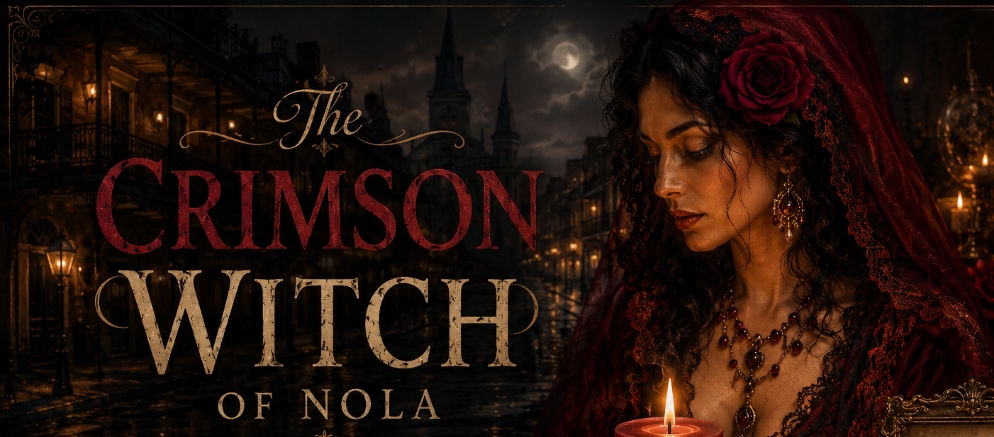
One of those stories is about a woman known as the Crimson Witch.
No one agrees on her real name. Some said she was French. Others believed she was Creole. A few insisted she came from somewhere else entirely and simply chose to remain in New Orleans after tragedy changed the course of her life.
But while the details shifted over time, one thing remained consistent:
People came to her for matters of the heart.
Not in crowds or spectacle, but quietly, often in the evening after the streets had settled and the city softened into lamplight and music drifting through open windows.
They came with ordinary heartbreaks. Distance in a marriage. Love that had cooled. Loneliness. Fear of never being chosen. Relationships strained by misunderstandings and silence.
And according to the stories that survived, the Crimson Witch approached these situations differently than many others of her time.
She did not promise domination or control.
She did not claim to force love where none could exist.
Instead, her work focused on gentleness.
On softening tension. On encouraging affection. On clearing bitterness and allowing warmth to return where it had faded beneath hurt and exhaustion.
That distinction became the heart of her reputation.
Those who sought her out described her as patient and kind. She listened carefully before offering guidance. Her work centered around candles, oils, herbs, and quiet rituals meant to support connection rather than overpower it.
In modern terms, her approach might seem subtle.
At the time, it was simply understood as effective.
People returned to her not because they feared her, but because they felt calmer after leaving her home. Supported. Hopeful again.
And often, the changes came gradually.
A long-delayed conversation finally happened. A partner softened emotionally. A relationship that had grown cold slowly began warming again.
Not dramatic miracles.
Small human shifts that mattered deeply to the people living through them.
Over time, the story of the Crimson Witch became woven into the folklore of New Orleans itself. Though no formal records remain, elements of her methods continued quietly through generations. The belief that love responds better to care than force became part of the legacy associated with her name.
There is also a sadness woven through the legend.
Many versions of the story claim the Crimson Witch herself lost the great love of her life unexpectedly when she was still young. Some say he died in an accident near the river. Others say illness took him before they could marry.
Whether true or embroidered over time, the detail explains the tenderness associated with her work.
There is no bitterness in the stories about her. No cruelty. No hunger for power.
Only the sense of a woman who understood how fragile love could be and chose to help protect it where she could.
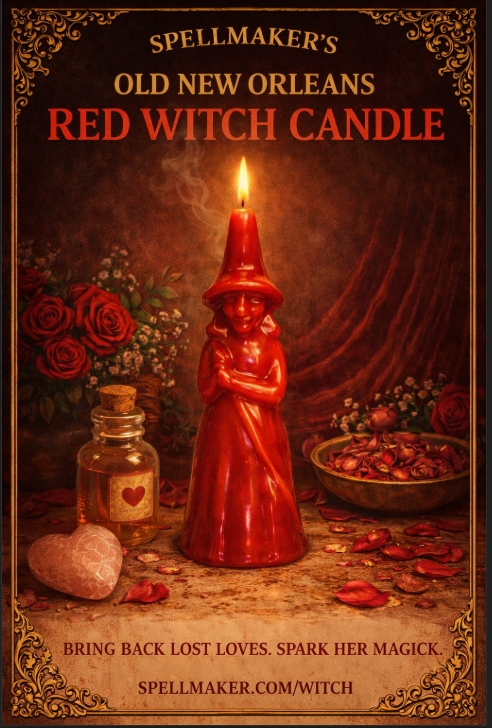
Created in honor of the Crimson Witch and the gentle style of love magic associated with her story, each Red Witch Candle is hand poured with care. The original mold itself was hand made by Parran Matt, giving the candle a unique connection to old-world craftsmanship and tradition.
The Red Witch Candle is intended for warmth, attraction, emotional closeness, reconciliation, and encouraging affection to grow naturally. Many people use it for rekindling existing relationships, while others burn it to draw new love into their lives in a softer, more organic way.
Like the woman who inspired it, the candle is not about force.
It is about invitation.
About creating space for love to breathe again.
Perhaps that is why the story of the Crimson Witch continues to endure while so many others fade away.
Because beneath the folklore, beneath the candlelight and whispered stories, there remains something deeply human at its center:
The hope that love, when treated gently, can still find its way home.
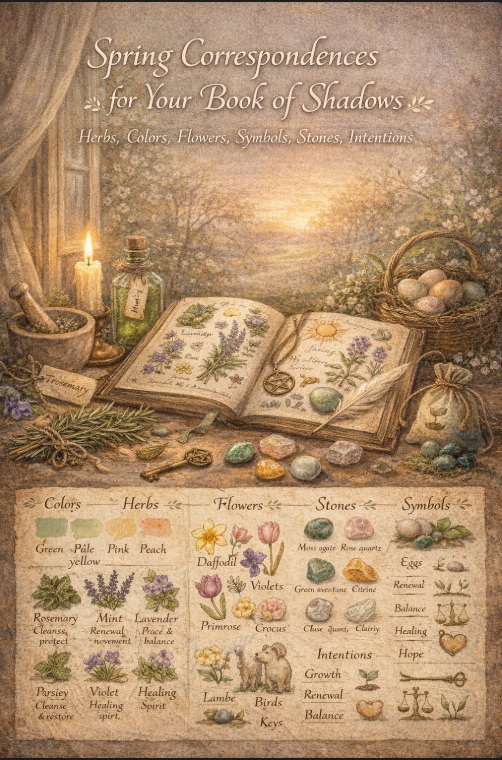
Spring Correspondences for Your Book of Shadows Herbs, colors, flowers, symbols, stones, and intentions for the season of renewal
Spring has a way of arriving in layers. First there is the shift in the light. Then the softening of the air. Then the first green things begin to appear, sometimes so quietly you almost miss them. It is a season of return, but not in a loud or hurried way. Spring does not burst in all at once. It wakes slowly, and in that slow waking there is a kind of magick all its own.
For many witches and spiritual practitioners, spring is a season of renewal, growth, fresh starts, balance, fertility, and hope. It is a beautiful time to refresh your altar, update your Book of Shadows, and gather the correspondences that feel true to this part of the year. Some of these are traditional, some are intuitive, and some may be deeply personal. That is part of the beauty of keeping a Book of Shadows in the first place. It becomes a living record of how the seasons speak to you.
Below is a simple but meaningful collection of spring correspondences you can use in your own practice, journaling, altar work, spellcraft, seasonal decorating, or quiet reflection.
The energy of spring
Before getting into the lists, it helps to pause and name the feeling of the season.
Spring carries the energy of:
awakening
renewal
fresh starts
fertility
hope
growth
balance
healing
movement
possibility
This is not quite the full abundance of summer. Spring is the first stirring. The first sign of life returning. The first little yes after a long no.
If winter is the inward season, spring is the season of emergence.
Spring colors
Color correspondences can be used in candles, altar cloths, ribbons, flowers, clothing, journal pages, spell bags, and seasonal decorations. Spring colors often reflect both the soft return of life and the brighter promise of what is to come.
Some traditional and intuitive spring colors include:
Green Growth, fertility, healing, abundance, renewal, new life
Gold The returning sun, vitality, blessing, sacred illumination
You do not need to use all of these. Even one or two colors can be enough to shift the feeling of a space and align your work with the season.
Spring herbs
Spring herbs tend to carry cleansing, protective, healing, and awakening qualities. Some are culinary, some are magickal, and many are both. Herbs can be used fresh or dried depending on your preference and availability.
Rosemary A wonderful herb for cleansing, remembrance, clarity, protection, and mental freshness. Rosemary is excellent in spring washes, bundles, altar bowls, and simple home blessings.
Mint Fresh energy, prosperity, movement, renewal, cooling, and clearing stagnant conditions. Mint feels like spring in herb form.
Lavender Peace, rest, beauty, emotional healing, gentle spiritual work, balance. Lavender is lovely for softening the nervous system after winter heaviness.
Thyme Courage, purification, vitality, strength, and resilience. Thyme has an old-world feel that sits beautifully in spring correspondences.
Basil Luck, abundance, prosperity, blessing, love, and freshness. Basil is one of those herbs that brings a lively, clean energy.
Parsley Renewal, cleansing, purification, protection, and health. Simple, common, and underrated.
Lemon balm Joy, ease, emotional soothing, uplift, restoration. Beautiful for spring after a difficult winter season.
Nettle Protection, strength, vitality, and healing. Nettle carries a wilder edge and reminds us that spring is not only delicate. It is powerful too.
Dill Luck, prosperity, protection, and growth. Dill carries a bright, living energy.
Sage Wisdom, purification, blessing, and spiritual clearing. If you use sage in your practice, spring is a natural time to work with it intentionally.
You might also choose herbs based on what is growing near you. Local plants often make the strongest seasonal allies.
Spring flowers
Flowers are one of the most obvious symbols of spring, but they also carry distinct energies. They can be placed on an altar, pressed into journals, woven into seasonal wreaths, offered to spirits, or simply enjoyed as living reminders of the season.
Daffodil Hope, rebirth, cheerful energy, return of life, confidence
Rose Love, beauty, blessing, sensuality, and spiritual devotion. Roses can belong to many seasons, but soft pink or white roses can fit beautifully into spring work.
Even if you do not have access to fresh flowers, images, pressed petals, or simple floral sketches in your Book of Shadows can hold the same feeling.
Spring stones and crystals
Crystals for spring often support growth, emotional clarity, healing, new beginnings, and balance. Choose the ones that feel alive in your hand. Spring is a tactile season. It wants to be felt.
Moss agate Growth, new beginnings, earth connection, stability, abundance. One of the best spring stones.
Green aventurine Luck, opportunity, prosperity, optimism, expansion
Rose quartz Self-love, tenderness, heart healing, emotional renewal
You do not need a large crystal collection to work seasonally. One stone placed on your altar, carried in your pocket, or tucked into a journal can be enough.
Spring symbols
Symbols are often the fastest way to create a seasonal feeling in your Book of Shadows. They can be drawn, painted, collaged, stitched, or simply noted as anchors for later use.
Some common spring symbols include:
eggs
nests
seeds
buds
sprouts
hares or rabbits
lambs
birds
feathers
bees
butterflies
Not every spring symbol has to be sweet or decorative. Spring is also mud, wind, unpredictability, cold mornings, and hard little shoots pushing through frozen ground. That belongs to the season too.
Spring intentions
One of the most useful parts of a seasonal correspondences page is the intentions section. This tells you what kind of work the season naturally supports.
Spring intentions may include:
renewal
balance
healing
hope
fertility
growth
new beginnings
prosperity
fresh energy
emotional clearing
inspiration
confidence
This is a very good season for spells and rituals around:
starting over
finding your footing again
clearing out old heaviness
blessing a new home or project
planting prosperity
encouraging love and beauty
supporting healing and hope
inviting life back into a stagnant situation
It is also a season for simple personal promises. Not grand vows. Just the kind that help you move with the light.
Ways to use these correspondences
Once you gather your spring correspondences, you can put them to work in simple, beautiful ways.
You might:
create a dedicated spring page in your Book of Shadows
make a seasonal altar with one flower, one herb, one stone, and one candle
choose a spring color palette for journaling or decorating
build a small charm bag for renewal or growth
write a spring prayer using the symbols that speak to you
refresh your home with herbs and open windows
press spring flowers into your journal
create a list of what you want to grow this season
pair a spring stone with a seasonal intention and carry it with you
This does not have to be complicated to be meaningful.
A gentle note on personal correspondences
One of the most important things to remember is that correspondences are guides, not rules.
If spring feels pale gold to one person and stormy silver to another, both can be true. If violets mean comfort to you because of a childhood memory, that matters. If rosemary always reminds you of your grandmother’s kitchen, that matters too. A living spiritual practice makes room for that kind of truth.
Your Book of Shadows should not just be a record of what other people say spring means. It should also become a record of what spring means to you.
What herbs do you reach for when the weather changes? What colors feel like return? What flowers stop you in your tracks? What kind of hope begins to stir in you when the light comes back?
Those are correspondences too.
Closing thoughts
Spring is a season of becoming. Not fully arrived, not fully formed, not yet in bloom, but moving unmistakably in that direction. There is something deeply sacred about that stage. The tenderness of it. The uncertainty of it. The quiet determination of it.
When you add spring correspondences to your Book of Shadows, you are doing more than making a list. You are creating a doorway into the season. A way to remember what this time of year feels like in your body, your home, your spirit, and your practice.
Use what speaks to you. Keep what feels alive. Let the season meet you where you are.
The earth does not rush into bloom, and neither do you need to.
Apples have long held a significant place in mythology, folklore, and magical traditions across various cultures. Known as the "fruit of wisdom" and associated with love, fertility, abundance, and even the Otherworld, apples are a powerful symbol in witchcraft and spiritual practices. From their use in divination to their association with harvest festivals, apples carry deep magical meaning. In this article, we will explore the history, symbolism, and practical applications of apple magick and how to incorporate this versatile fruit into your spiritual practice.
The Symbolism of the Apple
Apples have been revered for thousands of years in cultures around the world. In Celtic mythology, apples were seen as a sacred fruit of the Otherworld, with Avalon—literally meaning "Isle of Apples"—being the mystical resting place of King Arthur. Similarly, in Norse mythology, the goddess Idunn guards the golden apples that grant immortality to the gods.
The apple’s five-pointed star, revealed when you cut the fruit crosswise, is significant in witchcraft as it resembles a pentagram, symbolizing protection, balance, and the elements of earth, air, fire, water, and spirit. This hidden symbol makes apples a powerful tool in spells related to wisdom, protection, and balance.
Apples are also closely tied to love and romance. In ancient Greece, tossing an apple to someone was a declaration of love, and in folklore, apples were often used in love divination rituals, especially at harvest festivals like Samhain. The fruit’s round shape and sweetness also symbolize abundance and fertility, making it a popular element in spells for prosperity and growth.
Apple Magick in Harvest Celebrations
The autumn season, and especially during Mabon and Samhain, is when apples are most commonly used in magical practices. As a symbol of the harvest, apples represent the fruits of our labor, both in the physical and spiritual sense. The autumn equinox (Mabon) is a time of giving thanks for the abundance of the earth, and apples are a natural fit for rituals and offerings during this season.
Incorporating Apples in Mabon Rituals:
Altar Offerings: Place apples on your altar as offerings to the spirits of the land or your chosen deities. They can represent abundance, gratitude, and the cyclical nature of life.
Harvest Feast: Include apples in your Mabon feast by baking them into pies, creating cider, or making roasted apples with cinnamon and honey. As you prepare these foods, infuse them with the intention of giving thanks for the blessings of the year.
Gratitude Ritual: Hold an apple in your hands and think about all the things you are grateful for. Focus on the blessings you’ve received, and as you bite into the apple, visualize yourself absorbing the energy of gratitude and abundance.
Apple Divination and Love Spells
Apples have a long-standing association with divination and have been used in love spells and fortune-telling for centuries. The fruit’s connection to love and fertility makes it a powerful tool in rituals to attract love or reveal hidden truths about relationships.
Apple Peel Divination:
One of the most famous apple-related divination techniques involves peeling an apple in one continuous strip and tossing the peel over your shoulder. The shape it forms on the ground is said to represent the first letter of your future lover’s name. This type of divination is often performed during Samhain, when the veil between worlds is thin and communication with the spirit realm is strongest.
Apple Seeds for Yes/No Divination:
To perform a simple yes/no divination, cut an apple in half and count the seeds inside. An even number of seeds means "yes," while an odd number means "no." Alternatively, you can ask a specific question and place apple seeds on a hot surface. If the seeds jump or pop, the answer is affirmative. If they remain still, the answer is negative.
Apple Love Spell:
To attract love or strengthen an existing relationship, perform a simple apple love spell. Carve your name and the name of your desired partner into the skin of an apple. Hold the apple in your hands, visualizing love growing between you. As you eat the apple, imagine yourself sharing love, trust, and connection with your partner. Bury the apple core in the earth to symbolize the deepening of your bond.
Using Apples in Healing and Protection Spells
Apples are not only linked to love and divination but also carry powerful healing and protective properties. In folk magick, apples are often used to heal emotional wounds, protect against negative energy, and promote general well-being.
Apple Healing Spell:
For emotional healing, hold an apple close to your heart and focus on the pain or emotional burden you wish to release. Visualize the apple absorbing your pain, turning it into sweetness and nourishment. Eat the apple slowly, allowing its energy to restore balance to your emotional state. Bury the core as a symbol of grounding and letting go of what no longer serves you.
Apple Protection Charm:
To protect your home, create a simple apple protection charm. Carve a pentagram or protective symbol into the skin of an apple and place it on your altar or windowsill. As the apple decays, it will absorb any negative energy directed toward you or your home. Once it has fully withered, bury it away from your property, symbolizing the removal of negativity from your space.
Apple Kitchen Magick
Kitchen witches can harness the power of apples in their everyday cooking and baking. By infusing your food with magical intent, you can use apples to promote love, abundance, and healing within your household.
Apple Cider for Prosperity:
Brew a batch of apple cider with cinnamon, cloves, and nutmeg for a drink that not only warms the body but also attracts prosperity and protection. As you stir the cider, visualize abundance flowing into your life, and as you drink it, feel yourself filled with warmth, security, and confidence.
Apple Pie for Family Harmony:
Bake an apple pie with love and harmony in mind. As you prepare the pie, focus on bringing warmth, togetherness, and understanding into your family relationships. Share the pie with loved ones to foster connection and strengthen bonds.
Conclusion
Apple magick is a versatile and powerful aspect of witchcraft that taps into the fruit’s rich history, symbolism, and natural properties. Whether you’re using apples for love spells, divination, protection, or healing, this magical fruit offers endless possibilities for connecting with the cycles of nature and enhancing your spiritual practice. As you work with apples, remember to honor their role in folklore and mythology, embracing the wisdom and magic they bring to your life.
Embracing Spring – Personal Practices in Witchcraft.
Welcoming the Season of Growth
As we usher in the vibrant season of spring, it's a time for personal awakening and renewal. This final part of our series focuses on how individuals can integrate the principles of witchcraft into their personal spring planning, embracing growth and transformation.
Crafting a Spring Ritual
Spring is the perfect time to create personal rituals that resonate with your spirit. This could be as simple as setting up a small altar with symbols of spring, lighting candles to welcome the light, or meditating on your intentions for the season.
The Art of Spring Cleaning
In witchcraft, spring cleaning goes beyond the physical. It's about clearing your space and your mind, making room for new growth. This might involve decluttering your home, smudging with sage, or even taking a cleansing bath infused with spring herbs.
Planting Seeds of Intent
Just as we plant seeds in the earth, spring is a time to plant seeds of intention. Writing down your goals and aspirations in a journal, creating a vision board, or simply spending time in reflection can help manifest these intentions.
Connecting with Nature's Rhythms
Spring is a celebration of nature's rebirth, and connecting with these natural rhythms can be incredibly grounding. Try taking walks in nature, observing the new growth, or even participating in gardening, aligning yourself with the cycle of growth and renewal.
Herbal Allies for the Season
Incorporating herbs into your daily routine can be a powerful way to connect with the season. Herbal teas, aromatherapy, or even cooking with fresh spring herbs can bring the magic of the season into your everyday life.
Tarot and Spring Guidance
Tarot can be a useful tool for reflection and guidance. Pulling cards to gain insight into what the spring season holds for you can offer clarity and direction as you navigate your personal growth.
Embracing Change and Transformation
Ultimately, spring is a time of change and transformation. It's a period to embrace the shifts in your life, to grow, and to blossom. Remember, each step you take is part of your unique journey, intertwining with the magic of the season.
A Season of Personal Magic
As we conclude this series, remember that the magic of spring lies not just in ancient rituals but in the personal, everyday moments of connection and growth. Embrace this season with an open heart, and let the magic of spring guide you on your path.
As the days grow longer and the world bursts into bloom, we welcome the Spring Equinox, a time of perfect balance and harmony. In the world of witchcraft, this equinox is a sacred moment, symbolizing the equilibrium between light and darkness, life and rebirth.
The Dance of Day and Night
Imagine a day where light and dark embrace each other in perfect equality. The Spring Equinox, occurring around March 20th or 21st, is such a day. It's a celestial reminder of the balance in nature and an invitation for us to find that same balance within ourselves.
Rituals of Renewal
Equinox rituals are as diverse as the practitioners themselves, yet they all share a common theme of celebrating the renewal of life. Some may light candles to represent the returning sun, while others might plant seeds, symbolizing new beginnings and the potential for growth.
The Magic of Rebirth
This is a time to honor the cycle of life, death, and rebirth. As we observe the natural world awakening around us, we too can tap into this powerful energy. It's a perfect time for setting intentions for the coming year and for letting go of the old to make space for the new.
A Celebration of Fertility
The Spring Equinox is also a festival of fertility, celebrating the Earth's abundant fertility as it awakens from winter's sleep. Rituals often include symbols of fertility, such as eggs or rabbits, and are a joyful acknowledgment of life's perpetual renewal.
An Invitation for Personal Reflection
This equinox offers a unique opportunity for personal reflection and growth. It's a time to assess our lives, to find our own inner balance, and to align ourselves with the natural rhythms of the earth.
Connecting with Nature
Nature is at its most magical during the equinox, and connecting with it can be a deeply spiritual experience. Taking walks in nature, meditating outdoors, or simply spending time in a garden can help us attune to the energy of the season.
Crafting Your Own Ritual
There's no right or wrong way to celebrate the equinox. Whether it's a solitary ritual or a gathering with friends, the key is to honor the spirit of balance and renewal. This could mean a quiet evening of meditation, a festive meal with loved ones, or a simple ritual of lighting candles and setting intentions.
Embracing the Change
As we embrace the change of seasons, the Spring Equinox reminds us of the beauty of transitions. It's a time to celebrate the constant flow of life and to remember that, just like the seasons, we too are always evolving.
In the heart of the enchanted spring garden, the air is rich with the scents of herbs, each carrying ancient stories and potent magic. Imagine wandering through this green haven, with lavender, sage, and rosemary whispering their secrets.
Lavender – The Soothing Mystic
Lavender, with its delicate purple blooms, is more than just a pretty face. It's a powerful ally in calming rituals, perfect for those seeking peace and serenity. Its soothing aroma is said to ease troubled minds and cleanse spaces of negative energy, making it a staple in spells for tranquility and purification.
Sage – The Sacred Purifier
Sage, the great purifier, stands tall and proud. Its earthy aroma is a familiar scent in many witchcraft practices, known for its ability to cleanse spaces, objects, and even the soul. Burning sage in a ritual is like starting with a clean slate, perfect for spring's theme of new beginnings.
Rosemary – The Guardian Herb
Rosemary, with its needle-like leaves and invigorating scent, is a symbol of remembrance and protection. It's often used in spells for mental clarity, to remember old lessons, and to protect sacred spaces from negative influences. Rosemary's presence in a ritual brings strength and clarity, guarding our paths as we embark on new journeys.
Crafting Spring Potions
In this season of rebirth, the art of potion-making comes to the forefront. Herbal teas for clarity blend the subtle powers of these plants, while tinctures for vitality capture their essence in concentrated form. Salves for healing, infused with the magic of these herbs, carry the promise of rejuvenation and wellness.
The Whisper of Plants
Each plant in this magical garden is a teacher, sharing lessons of growth, resilience, and the art of blooming. As we tend to these plants, picking them with intention and respect, we learn to listen to their whispers. They teach us the cycles of the earth, the rhythms of nature, and our place within this vast, interconnected web.
Rituals of Connection
Spring is a time for connecting with the earth and its bounty. Rituals during this season often involve planting seeds, both literal and metaphorical. These seeds represent our hopes, dreams, and intentions for the coming year. As we plant them in the earth, we set our desires into motion, trusting the magic of nature to nurture and grow them.
The Dance of the Elements
In these rituals, the elements come together in a harmonious dance. The earth cradles the seeds, the water nourishes them, the air carries their scent, and the fire of the sun encourages their growth. This elemental dance is a reminder of the balance and interconnectedness of all things.
A Time for Personal Growth
Just as the plants grow and thrive, so do we. Spring is a time for personal growth and development. Working with herbs in our rituals and daily practices allows us to tap into their wisdom and incorporate their lessons into our lives.
Green Magic Unfolds
As we continue our exploration of witchcraft in spring, the magic of herbs remains a central theme. They are our allies and teachers, guiding us through the season of renewal. Stay tuned for more enchanting tales and insights as we delve deeper into the world of witchcraft and the vibrancy of spring.
Spring is on the way! I don't know about you, but I can hardly wait to get my hands in the dirt, plant my herb garden and open those windows wide and start that spring cleaning! This week we will take a bit of an early look at Spring and witching!
Embracing the Spring Awakening
As the snow melts and the first green shoots emerge, we enter the enchanting world of spring rituals in witchcraft. It's a time of renewal, a period when nature awakens from its slumber, and so do we.
The Circle of Rebirth
In the heart of spring, witches around the world gather to celebrate life, fertility, and rebirth. These rituals, rich in symbolism and tradition, are as varied as the practitioners themselves. They might involve lighting candles to welcome back the light, planting seeds as symbols of new beginnings, or dancing around a Maypole to celebrate fertility and the beauty of life.
A Time for Magic
Spring rituals are not just about celebration; they're also a time for magic. It's a period for setting intentions, casting spells for prosperity and health, and clearing out the old to make way for the new. Imagine the energy of the earth itself, awakening and stirring, ready to be channeled into our lives.
The Beauty of Balance
These rituals often coincide with the Spring Equinox, a time when day and night are of equal length. It's a powerful reminder of the balance in nature and in our lives. As we participate in these rituals, we not only connect with the cycles of the earth but also find harmony within ourselves.
A Season of Transformation
As we move through this week, we'll continue to explore the deep connections between witchcraft and the natural world. Spring is just the beginning – a time of transformation, not only in nature but within our own spiritual journey.
An ancestor altar cloth is something you can make any time of the year, although it can come in particularly handy for Samhain/Fet Ghede, when many people choose to perform ancestor-focused rituals. This project can be as simple or as complex as you like, depending on your time constraints, creativity, and crafting skills.
You’ll need:
A plain white or cream-colored tablecloth, or other piece of fabric
Fabric pencil
Embroidery floss and hoop, or fabric markers
A genealogy of your ancestors
A few notes here, before you get started. There’s no hard and fast rule about how to do this — it’s a craft idea that is very personalized. Do what works best for you. If you’re handy with a needle and thread, you can embroider the cloth – it will definitely last longer that way. If you’re not confident about your stitching abilities, you can use fine-tipped fabric markers (keep in mind that this option may limit your ability to wash the altar cloth if it gets dirty or stained during ritual).
As to your genealogy, you can keep it simple if you like, or if you’ve never done any genealogy research. You’ll need the names of your parents, of their parents, their grandparents, and so on. If you want to include your children, you can do that too.
Start by putting yourself in the center, and writing your name carefully with a lightweight fabric pencil — these wash or brush off easily when you’re done. Branch out, including your parents’ names above you, one on each side. Using lines to connect everyone, gradually add the names of your ancestors. You can even include dates of birth and death, or place names if you have the room.
It’s best to do all of this in pencil first — or better yet, use Post-It Notes, one for each ancestor’s name – to position people around the cloth. If you know the names of lots of ancestors on one side, but only a few on the other, it can start looking lopsided pretty quickly, unless you’re able to rearrange people (this is why sticky notes are great).
Once you’ve figured out everyone’s placement, add the names in fabric pencil until you’ve included as many people as you like. If you’re going to embroider the names, work from one side to the other, just to keep things simple — you may even want to do different branches of the family, or different generations, in alternating colors. If you opt to use fabric markers for the final work, be careful! Stitches can always be picked out, but markers are permanent.
Keep in mind that the very act of creation is a magical one, and you can utilize the crafting of this altar cloth as a ritual in and of itself. Particularly if you're stitching, there's a very meditative aspect to the creative process. After you’ve put everyone’s names on the fabric, use it as an altar cloth for rituals involving ancestor work.
:max_bytes(150000):strip_icc():format(webp)/AncestorCloth-594856f33df78c537bd16980.jpg)