Category: Spirituality

  • The Black Dog of Hogmany!

    Screenshot_30-12-2024_131435_chatgpt.com

    If you know me at all, you know I love a good black dog story….As the cold winds of December sweep across the Scottish Highlands, they carry whispers of folklore, mystery, and tradition. Among the many tales woven into the fabric of Scotland’s rich culture, the story of the Black Dog of Hogmanay holds a special place. It’s a tale that seems to rise up from the misty hills and quiet glens, cloaked in the magic of the season and the timeless mystery of the unknown.

    Hogmanay, Scotland’s New Year celebration, is not just an occasion of revelry and fireworks; it is a deeply symbolic moment—a time of endings and beginnings, of looking back at the past and forward into the future. For centuries, traditions surrounding Hogmanay have been as varied and colorful as the tartans of the clans themselves, but the Black Dog remains a haunting figure in this tapestry of customs.

    The Black Dog, in Scottish folklore, often takes on the role of a guardian, an omen, or even a harbinger of change. Seen as both mystical and mysterious, it is a figure that treads the fine line between worlds—the past and the future, the known and the unknown. As the clock strikes midnight on Hogmanay, when the veil between the old year and the new is thinnest, the Black Dog is said to appear, silently watching, quietly waiting.

    The stories tell us that this spectral canine often roams the darkened paths and quiet fields as families gather indoors, exchanging gifts and sharing first-footing traditions. For those unfamiliar, first-footing is a cherished Hogmanay custom where the first visitor to cross the threshold after midnight brings good luck to the household. The Black Dog, however, is no ordinary visitor. It is said to come unbidden, padding silently through the icy night, its glowing eyes reflecting the light of the stars, its presence both a comfort and a warning.

    To some, the Black Dog represents protection. It is believed to guard homes against misfortune, standing sentinel at the door to ensure that no ill will enters with the new year. Families who sense the presence of the Black Dog speak of a feeling of safety, of being watched over by a loyal guardian from another realm. To others, however, the Black Dog carries an air of foreboding—a reminder of the unknown and the unpredictable nature of what lies ahead.

    The duality of the Black Dog reflects the very essence of Hogmanay itself. It is a celebration of hope and renewal, but also a recognition of the challenges and uncertainties that come with a fresh start. The Black Dog reminds us to tread carefully as we step into the unknown, but also to trust in the journey ahead.

    In the quiet villages of Scotland, stories of the Black Dog have been passed down through generations, told by the fireside as families prepare for the year to come. It is said that if you encounter the Black Dog on Hogmanay, you must pause and take stock of your intentions for the future. Are you carrying unresolved grudges or fears that no longer serve you? Are you ready to welcome the possibilities of the new year with open arms? The Black Dog sees all, they say, and its presence is a reminder to act with integrity and courage.

    For those who celebrate Hogmanay today, the Black Dog may no longer roam the countryside as it once did in the tales of old, but its spirit lingers in the rituals and traditions that mark the occasion. Lighting a candle in the window to guide loved ones home, sharing a meal of symbolic foods like black bun or shortbread, or even simply stepping outside to take in the cold night air—these moments are steeped in the same magic that once surrounded the Black Dog.

    As midnight approaches and the bells begin to ring, one can almost imagine the shadow of a great dog slipping silently through the streets, unseen by most but felt by all. It is a moment of transition, a threshold between what was and what will be, and the Black Dog is its silent witness. Whether you see the Black Dog as a guardian, a guide, or simply a legend from a time long past, its story serves as a powerful reminder of the magic that exists in every ending and beginning.

    So, this Hogmanay, as you raise a glass to the new year and whisper your hopes into the midnight sky, take a moment to honor the Black Dog and all that it represents. In its shadow lies the beauty of change, the strength of resilience, and the promise of a fresh start. After all, what better way to welcome a new year than with the courage to embrace both its mystery and its magic?

    Love, Sister Bridget 

  • Happy Birthday, Mistress Marie!

    Dreamstime_l_206307882


    Marie Laveau, the famous Voodoo Queen of New Orleans, is an iconic figure known for her spiritual influence, mystical powers, and deep compassion for her community. Born on September 10, 1801, she was a free woman of color, descending from a blend of African, Native American, and French ancestry. Her legacy as a powerful healer, spiritual leader, and advocate for the underprivileged lives on more than a century after her death, particularly in the realms of New Orleans Voodoo and spiritual practice. As we celebrate Marie Laveau’s birthday, we honor not just her mystical abilities but also her charitable heart and dedication to helping those in need.

    Marie Laveau's Life and Charitable Work

    Marie Laveau's life was deeply rooted in her commitment to serving her community, particularly the poor, the marginalized, and those in difficult circumstances. She was known not only for her mystical prowess as a Voodoo priestess but also for her remarkable generosity and compassion. Throughout her life, she provided spiritual guidance, healing, and charitable support to countless individuals, regardless of their background or social status.

    Laveau was a skilled healer, blending her knowledge of traditional African healing techniques with Catholic rituals and herbal remedies. She used her gifts to heal the sick, offering remedies and cures to those who could not afford the medical treatment of the time. Her home was often described as a sanctuary where people could seek her counsel, and her door was always open to those in need. It wasn’t uncommon for Marie to offer both spiritual and physical support, whether it was through providing medicine, offering prayers, or conducting healing rituals.

    One of the most extraordinary aspects of her charitable work was her commitment to prisoners. Marie Laveau had a special connection to those who were incarcerated, and she spent a significant amount of time ministering to prisoners, particularly those who were condemned to death. She provided them with spiritual guidance and solace in their final days, often advocating for mercy on their behalf. Many stories suggest that she would pray with the prisoners, bless them, and even cook meals for them, offering them comfort in their darkest hours.

    Marie Laveau’s influence extended beyond the walls of the prison. She was well-connected with influential figures in New Orleans, and there are tales of her intervening to secure pardons or lesser sentences for prisoners. Whether through spiritual means or by using her influence in the community, Marie Laveau worked tirelessly to help those who were forgotten by society.

    Her compassion wasn’t limited to prisoners or the poor. Marie Laveau’s clientele spanned all classes, from the wealthy elite of New Orleans to the impoverished, and she treated all with the same level of care and respect. While many sought her out for her Voodoo rituals—such as love spells, luck charms, or protection—what made her truly remarkable was her deep sense of service to her fellow human beings. She never turned anyone away, always willing to offer help, healing, or guidance to those in need.

    Honoring Marie Laveau's Legacy

    Marie Laveau’s influence on New Orleans Voodoo is undeniable. She was not only a powerful spiritual leader but also a devout Catholic, and she blended the two practices seamlessly. Her legacy as the Voodoo Queen has inspired countless people to follow in her footsteps, using their spiritual gifts to help others and remain committed to their communities.

    Celebrating Marie Laveau’s birthday is a way to honor her lasting impact and to carry forward her spirit of generosity, healing, and justice. Here are some ways you can celebrate Marie Laveau and honor her life:

    1. Light a Candle in Her Honor

    Marie Laveau was known for her deep spiritual practice, which often involved lighting candles for protection, guidance, and healing. On her birthday, you can light a candle at your altar or in a sacred space to honor her. Traditionally, white candles are used to represent purity and spiritual clarity, but you can also use purple, which represents power and connection to the divine—qualities that Laveau embodied.

    As you light the candle, you may say a prayer or offer words of gratitude for her life and work. You can also ask for her guidance or protection, as many still believe that her spirit is present and active in the spiritual world, offering help to those who call upon her.

    2. Visit Her Tomb or Create a Home Altar

    One of the most famous sites associated with Marie Laveau is her tomb in St. Louis Cemetery No. 1 in New Orleans. Her resting place has become a pilgrimage site for many who seek her blessings or wish to pay their respects. If you’re able to visit, you can leave offerings such as flowers, coins, or small tokens of gratitude. Traditionally, people leave three X marks on her tomb, believing it will bring good luck or grant a wish. However, for preservation purposes, it’s important to be mindful of leaving respectful and sustainable offerings.

    If you’re not near New Orleans, you can create a home altar dedicated to Marie Laveau. Include items such as candles, statues or images of her, offerings like flowers, and symbols that represent healing, justice, and charity—values that she held dear.

    3. Donate to a Charity or Help the Less Fortunate

    One of the best ways to honor Marie Laveau’s legacy is to engage in charitable acts, just as she did. Whether it’s donating to a charity that supports prisoners, the homeless, or those in need, or spending time volunteering in your community, these acts of kindness embody the spirit of compassion that Laveau showed throughout her life.

    Consider making a donation to an organization that supports prisoners or offers services to the disadvantaged. Marie Laveau’s work with prisoners can inspire us to reach out to those who are marginalized, offering them the support and care that society often neglects.

    4. Practice Healing and Self-Care

    Marie Laveau was a skilled healer, known for her use of herbs and spiritual remedies. On her birthday, take time to focus on healing—whether it’s your own or someone else’s. You can create a healing ritual using herbs, essential oils, or baths, dedicating it to her memory and asking for her assistance in bringing wellness and balance into your life.

    If you feel called, you could prepare a healing balm or herbal remedy to give to someone in need, just as she did. Acts of healing can take many forms, from providing emotional support to offering physical remedies, and they all align with Laveau’s legacy.

    5. Engage in Spiritual Work

    Finally, celebrating Marie Laveau’s birthday can be a time to deepen your own spiritual practice. Whether you practice Voodoo, work with spiritual energies, or follow another path, use this day to honor your connection to the divine. Meditate, pray, or perform rituals that align with the values Marie Laveau upheld—charity, justice, and the well-being of others.

    Marie Laveau’s life continues to inspire not only those who follow New Orleans Voodoo but also anyone who values justice, charity, and compassion. On her birthday, let’s celebrate the life of a woman who gave so much to her community and whose influence still resonates today. By embodying her spirit of service and spiritual practice, we honor her lasting legacy.
  • Lammas!

    Screenshot_29-7-2024_112020_chatgpt.com

    The Green Witch's Guide to Celebrating Lammas

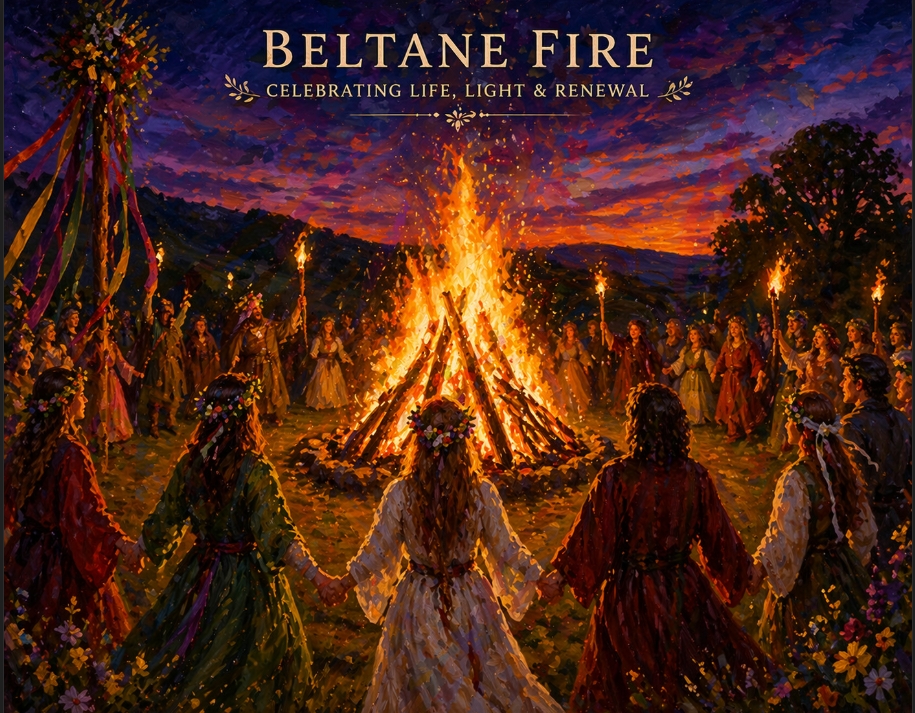
    Lammas, also known as Lughnasadh, is a traditional pagan festival celebrated on August 1st, marking the first harvest of the year. This ancient festival is steeped in history and tradition, offering a wonderful opportunity for green witches to connect with the earth, express gratitude for the bounties of nature, and celebrate the cycles of life. In this guide, we will explore the history of Lammas and provide practical ways for green witches to celebrate this special day.

    Lammas, derived from the Old English "hlaf-mas" meaning "loaf mass," is a festival dedicated to the first grain harvest of the season. Historically, it was a time when the community came together to celebrate the abundance of the fields and give thanks for the food that would sustain them through the winter months. In Celtic traditions, Lammas is known as Lughnasadh, named after the god Lugh, who is associated with skills, crafts, and harvest.

    The festival is a time to honor the earth's fertility and the cycle of growth and decay. It is a reminder of the interconnectedness of life and death, as the harvested grain gives its life to sustain us. Traditionally, Lammas celebrations included feasting, baking bread from the newly harvested grain, and offering the first fruits to the gods and goddesses.

    As a green witch, you can incorporate various practices and rituals into your Lammas celebrations to honor the earth and its bounties. Here are some practical ways to celebrate Lammas:

    Lammas is all about celebrating the harvest, so what better way to honor this festival than by harvesting your garden's produce and preparing a feast? Use fresh vegetables, fruits, and herbs from your garden to create a meal that celebrates the abundance of the earth. Incorporate grains such as wheat, barley, or corn into your dishes to honor the first harvest. Baking a loaf of bread is a traditional Lammas activity, and you can infuse it with your intentions and gratitude as you knead the dough.

    Setting up an altar is a powerful way to focus your intentions and create a sacred space for your Lammas celebrations. Decorate your altar with symbols of the harvest, such as ears of corn, wheat sheaves, and fresh fruits and vegetables. Add candles in shades of gold, yellow, and orange to represent the sun and the ripening crops. You can also include a loaf of bread as an offering, along with crystals like citrine and carnelian to amplify the energy of abundance and gratitude.

    Lammas is a time to express gratitude for the earth's gifts and the abundance in your life. Take some time to reflect on the blessings you have received and write them down on pieces of paper. During your ritual, read each blessing aloud and place the paper in a bowl. Light a candle and meditate on the feeling of gratitude, allowing it to fill your heart. You can then burn the papers in a safe container, releasing your gratitude to the universe.

    As a green witch, your connection to nature is central to your practice. Spend time outdoors, walking in the fields, forests, or your garden. Observe the changes in the landscape as the summer begins to wane and the signs of the first harvest appear. Collect natural items like acorns, leaves, and stones to use in your rituals and crafts. This is also a great time to gather herbs and flowers for drying, so you can use them in your magical workings throughout the year.

    Corn dollies are traditional Lammas crafts that symbolize the spirit of the grain. Making a corn dolly is a meditative and meaningful activity that connects you with the ancient customs of the harvest. To make a corn dolly, you will need some dried wheat or corn stalks. Weave and tie the stalks together to form a small figure, which you can then place on your altar as a representation of the harvest's spirit. You can also dress your corn dolly in tiny clothes or decorate it with herbs and flowers.

    Celebrate Lammas with friends and family by hosting a gathering or picnic. Share your harvest feast, tell stories, and enjoy each other's company. You can also organize activities such as baking bread together, making corn dollies, or performing a group gratitude ritual. A Lammas gathering is a wonderful way to build community and share the joy of the harvest season.

    Lammas is a reminder of the cyclical nature of life, growth, and decay. Take some time to meditate on these themes and how they manifest in your own life. Reflect on what you have achieved and what you are ready to release. This meditation can help you align with the natural rhythms of the earth and prepare for the coming autumn and winter months.

    As you celebrate the abundance of Lammas, consider giving back to the earth in some way. This could be through acts of service such as planting trees, cleaning up a local park, or creating a compost pile in your garden. Showing your appreciation for the earth's gifts by nurturing and protecting the environment is a meaningful way to honor Lammas.

    Lammas is a beautiful celebration of the earth's bounty and the interconnectedness of life. By incorporating these practical activities and rituals into your celebrations, you can deepen your connection to nature, express gratitude for the abundance in your life, and honor the ancient traditions of the harvest. May your Lammas be filled with joy, abundance, and a profound sense of gratitude for the gifts of the earth. Blessed be!

    Love, 

    Sister Bridget 

  • Imbolc Blessings!

    Imbolc

    "Blessed be the earth, and all who dwell upon it.

    We give thanks for the season now departing from us,
    For the blessings it has bestowed upon us,
    And upon those with whom we share this world.

    Blessed be the new season.
    We pray that it will be a time filled with peace,
    With abundance, with prosperity,
    With wisdom,
    With love."

  • Embracing Imbolc: The Green Witch’s Guide to Renewal and Rebirth

    Embracing Imbolc: The Green Witch's Guide to Renewal and Rebirth

    DALL·E 2024-01-18 13.13.26 - A serene landscape depicting the early signs of spring  with snow melting  the first green shoots emerging from the earth  and a gentle sunrise in the

    In the heart of winter, when the cold clings to the earth and the nights seem unending, there comes a festival that whispers of warmth and light soon to return. Imbolc, celebrated in early February, marks the midway point between the winter solstice and the spring equinox. It is a time of hope, of purification, and of preparing for new beginnings. For the Green Witch, it is a sacred time to harmonize with the awakening earth, to cleanse the old, and to make room for new growth and possibilities.

    Imbolc is deeply intertwined with the Celtic goddess Brigid, the goddess of fire, healing, poetry, and smithcraft. Her energy permeates this festival, igniting the flames of creativity, healing, and transformation. As Green Witches, aligning with the energy of Brigid and the natural world during Imbolc allows for a profound reconnection with the cycles of nature and the magic inherent in the early stirrings of spring.

    In this guide, we delve into the heart of Imbolc, exploring rituals, practices, and the quiet magic that this time of year holds for the Green Witch. From lighting candles to honor the returning light to preparing the soil for the seeds of intentions, each tradition and ritual is an opportunity to deepen our connection with the earth, the divine, and our inner selves.

    Ready to explore the rituals for renewal that Imbolc offers? Tomorrow, let's begin with the warmth and light that are central to this time of year.

    Love, 

    Sister Bridget

  • The Three Harvests and Witches!

    The Three Harvests and Witches!

    In the enchanting realm of folklore and mysticism, there exists a captivating link between the Three Harvests and witchcraft. As autumn's golden hues paint the landscape, the Three Harvests—Lughnasadh, Mabon, and Samhain—play a significant role in both agricultural traditions and the mystical world of witches of all kinds. This delightful connection transcends time and geography, revealing a tapestry of interconnected beliefs and practices.

    To begin our journey, let's delve into the first harvest, Lughnasadh. Celebrated in early August, this Celtic festival marks the beginning of the harvest season. It's a time when the fields are ripe with grain, and the earth offers her bounty. Witches, often seen as guardians of nature's cycles, harness the energy of Lughnasadh to honor the Earth's generosity and to manifest their intentions. It's a period when spells for abundance and prosperity are cast, and the echoes of the harvest's first fruits resonate with the rituals of the natural world.

    Moving forward to Mabon, the second harvest celebrated during the autumn equinox, we find another layer of connection between the Three Harvests and witchcraft. As day and night achieve perfect balance, witches recognize this equilibrium as an opportunity for reflection and gratitude. Mabon serves as a time to honor the autumnal harvest, with crafting elaborate altars adorned with symbols of abundance, like apples and gourds. We use this period to give thanks for the bounty of nature and to attune themselves to the changing energies of the season.

    The final harvest, Samhain, is perhaps the most famous, as it coincides with modern Halloween celebrations. For Vodouisants, it is a time for Ancestor service and more!  This sacred time, observed at the end of October, marks the end of the agricultural year and the beginning of winter's slumber. Witches and practitioners of all kinds view Samhain as a liminal space when the veil between the physical world and the spirit realm is thin. It's a time for divination, honoring ancestors, and seeking wisdom from the other side. Many may perform rituals to communicate with departed loved ones or to harness the potent energies of this time for their magical endeavors.

    As we contemplate the harmonious dance between the Three Harvests and witchcraft, we find a delightful interplay of nature, spirituality, and tradition. These celebrations, rooted in the agricultural cycles of our ancestors, have evolved into a modern enchantment that weaves its way through the tapestry of life. Whether you are a practitioner or simply a lover of folklore, the Three Harvests offer a bewitching connection to the rhythms of the natural world and the mystical realms beyond.

    In conclusion, the Three Harvests and witchcraft share a charming and symbiotic relationship, as we draw inspiration from the bounty and magic of each seasonal celebration. These ancient traditions continue to resonate with those who seek a deeper connection with nature and the mysteries of the universe. So, as we revel in the beauty of autumn's colors and the warmth of the hearth, let us also celebrate the rich tapestry of traditions that connect us to the past, the present, and the enchanting world of nature.

  • St. Francis of Assisi Feast Day!

    Hello!

    Below is a short video about St. Francis. He is quite near and dear to our hearts hear at Spellmaker, due to our love of animals! The video is short but informative! I hope you enjoy it. 

    Love,

    Sister Bridget

    PS – Did you know St. Francis was canonized just TWO years after his passing? Now you do! 

    Fast Facts: St. Francis of Assisi

    • Known For: Patron saint of animals
    • Also Known As: Francesco (or Giovanni) di Pietro di Bernardone
    • Born: c. 1181 in Assisi, Italy
    • Parents: Pietro di Bernardone, Pica de Bourlemont
    • Died: Oct. 3, 1226 in Assisi, Italy
    • Notable Quote: "Start by doing what's necessary; then do what's possible; and suddenly you are doing the impossible."


    Prayer to Saint Francis of Assisi, for Our Pets:

    Good St. Francis, you loved all of God's creatures. To you they were your brothers and sisters. Help us to follow your example of treating every living thing with kindness. St. Francis, Patron Saint of animals, watch over my pet and keep my companion safe and healthy. Amen.


  • Feast of the Guardian Angels October 2nd!

    Feast of the Guardian Angels October 2nd

    From the moment we are born, each and every one of us has an Guardian Angel. Those of you reading this who were at the Albuquerque Voodoo Convention in 2007 each received some extra special knowledge about your guardian angel from Mambo Sam.

    Do something special today to thank your own guardian angel 😉 Bake an angel food cake, or some angel hair pasta, or some angel wing cookies. Acknowledge and thank you guardian angel! They are always on duty, keeping us safe from harm.

    Light and Love
    Sister Bridget

    10_2_guardian3

    Guardian angel prayer
    Guardian angel prayer


  • Saint Gabriel the Archangel~

    Saint Gabriel the Archangel~

    Gabriel-1


    Gabriel’s name means “God is my strength”.

    ~


    Gabriel helps people whose life purpose involves communication, including teachers, writers, actors, photographers, speakers, etc.

    ~


    This archangel is a messenger who whispers in our ear of coming events, changes, and opportunities for new experiences. Gabriel always brings good news !

    ~


    He restores life and light into stagnant areas of your life such as relationships, businesses, households, etc. Ask Gabriel to resurrect any blocked areas of your life and fill you with the remembrance of your divine purpose and destiny. You will receive creative ideas and opportunities to help you get moving again.

    ~


    Call on Gabriel for assistance with a career or a problem that involves putting forth your ideas and perceptions to others. Definitely ask Gabriel to be with you when you are going on a job interview or asking for a raise or promotion at work.

    ~


    Because of Gabriel's role as a communicator and mediator between Heaven and Earth, Catholics hold the Archangel to be a Patron Saint of broadcasters, telecommunications workers, diplomats, messengers, postal workers, and stamp collectors.

    ~


    Because Gabriel helped the prophet Daniel interpret his dreams, those seeking similar aid with their own dream work may petition the Archangel for help.

    ~

    Mentally call for Gabriel by saying, “Beloved Gabriel, please come to me now and help me express myself in the best Light. Thank you.”

    ~


    Correspondences:

    Gabriel’s colors are white and indigo

    Gabriel guards the day of Monday

    Gabriel is associated with the second (sacral) chakra

    Gabriel’s special number is nine.

    Crystals associated with Gabriel are Orange Calcite, Topaz, Moonstone, and pearls.

    Lillies are very special to Gabriel.


    Prayer to Saint Gabriel


    Blessed Saint Gabriel, Archangel

    We beseech thee to intercede for us at the throne of divine mercy:

    As thou didst announce to Mary the mystery of the Incarnation,

    so through thy prayers may we receive strength of faith and courage of spirit,

    and thus find favor with God and redemption through Christ Our Lord.

    May we sing the praise of God our Savior with the angels and saints in heaven forever and ever. Amen

    ~~~~~~~~~~~~~~~~~~~~~~~~~~~~~

    When a divine spirit grants your wish, it is customary, to give an offering of some kind in return. Because Archangel Gabriel, the Messenger of God, is generally depicted with white lilies or a trumpet horn, it is considered appropriate to make an offering of white flowers or to play music before an altar a thank-offering.

    "If you seek an angel with an open heart…

    You shall always find one."

    – Anonymous